Animal Fonts Doodle: Adding Playful Personality to Your Designs
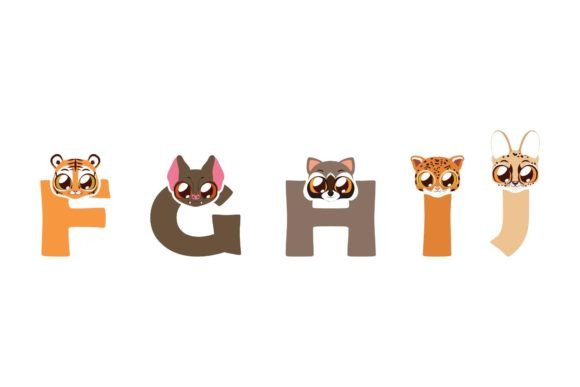
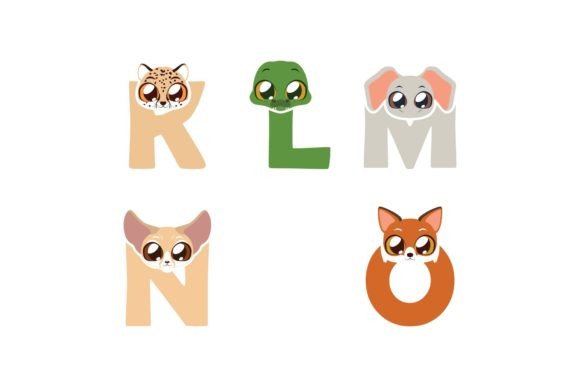
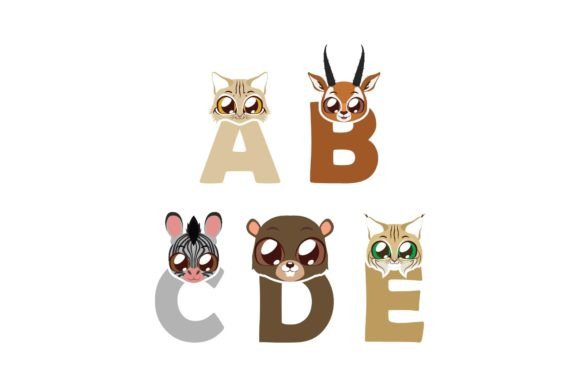
There’s a certain magic in hand-drawn elements. They break through the digital noise, offering a touch of warmth and authenticity that perfectly polished vectors sometimes miss. This is the core appeal of Animal Fonts Doodle. It’s not just a collection of letters; it’s a typeface infused with the whimsical, organic energy of sketchbook doodles. Each character carries a distinct, playful personality, making it a standout display font for projects that need to feel approachable, creative, and full of life. Think less rigid corporate identity and more joyful brand storytelling.
Where This Creative Font Truly Shines
The versatility of Animal Fonts Doodle is one of its greatest strengths. It’s a premium font asset that adapts to a surprising range of applications. For brand identity, it’s perfect for businesses that want to project a friendly, approachable, and fun image—think children’s apparel brands, organic pet food companies, indie toy makers, or neighborhood bakeries. In packaging design, it can make a product stand out on the shelf, communicating handmade quality and care. As a key player in your marketing toolkit, it transforms social media graphics and promotional materials, grabbing attention in a crowded feed with its unique, handcrafted feel.
Beyond commercial use, its charm is equally effective in personal and editorial projects. Imagine it gracing the cover of a family recipe book, adding character to a blog header about gardening or crafting, or creating memorable titles for a community event poster. Its inherent readability at larger sizes makes it ideal for headlines, logos, and impactful call-to-action text in web design. While it’s not a serif font or sans serif font meant for body copy, its role as a script font or handwritten font alternative is where it excels, providing that crucial visual hierarchy and personality.
Making Smart Design Choices with Animal Fonts Doodle
Choosing the right typeface is a strategic decision. Before diving in, evaluate your project’s core message. Animal Fonts Doodle communicates creativity, playfulness, and approachability. If your brand or project leans toward minimalism, luxury, or severe professionalism, you might reserve this font for specific, limited applications rather than as a primary typeface. A practical test is to mock up a headline or logo. Does the font’s energy align with your audience’s expectations? For a kids’ educational app, it’s a natural fit. For a corporate law firm’s website, it would likely be a mismatch.
Effective font pairing is key to leveraging this creative font successfully. Its detailed, organic style benefits from being balanced with a clean, simple companion. A classic sans serif font for body text often works beautifully, creating a clear contrast that ensures readability while letting the doodle font’s character pop. Avoid pairing it with other overly decorative or script font styles, which can create visual clutter. Test combinations at various sizes to see how they interact. The included formats—AI, EPS, SVG, JPG, and PNG—offer tremendous flexibility. The vector files (AI, EPS, SVG) are invaluable for scaling to any size without loss of quality, crucial for large-format print or detailed logo design. The high-resolution JPG and PNG files are ready for immediate use in digital layouts and social media.
From a practical standpoint, consider the licensing. This is a commercial font designed for a wide range of uses, but always review the specific terms for your project, especially for large-scale distribution or merchandise. The guarantee of ease-of-use and editability is a significant benefit, allowing you to tweak colors, add textures, or integrate the letters seamlessly into your broader design assets. Ultimately, Animal Fonts Doodle is a tool for adding a specific kind of visual voice—one that’s joyful, artistic, and memorably human. Use it where that voice can resonate most strongly with your audience, and it will become a valuable part of your modern typography collection.