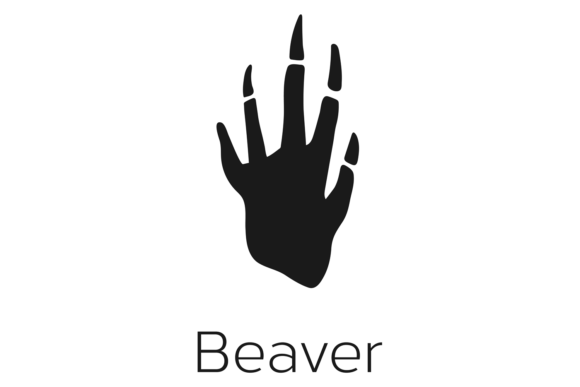
Exploring Forest Wild Animal Footprint: The Black Beaver Mark
In the world of digital assets, finding a resource that feels both organic and professional can be a challenge. Many creators, from graphic designers to small business owners, look for elements that bridge the gap between nature and modern design. One such resource that has caught the attention of many is the Forest Wild Animal Footprint collection, specifically the Black Beaver mark. This isn't a typeface in the traditional sense, but rather a powerful graphic element—a detailed black beaver foot mark isolated on a white background, available in versatile formats like EPS, JPG, SVG, and transparent PNG.
More Than Just a Clip Art: The Visual Character of the Black Beaver Footprint
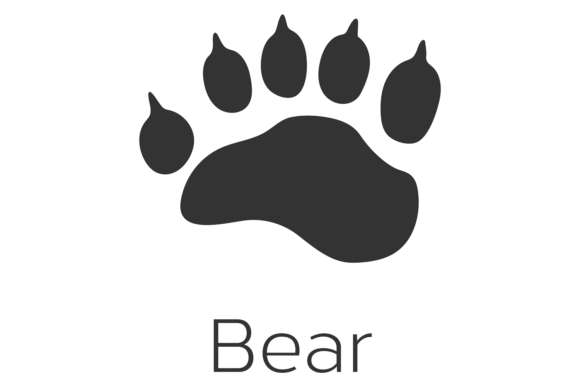
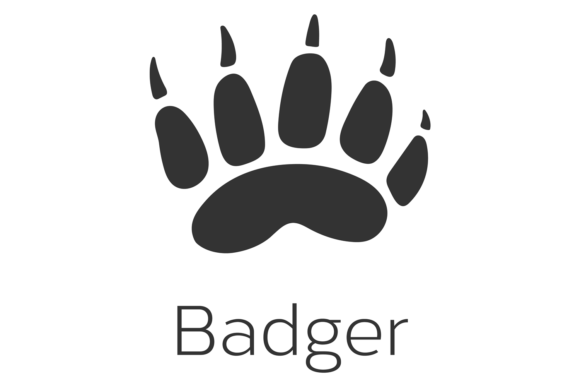
At first glance, the Black Beaver Footprint is a study in natural precision. The design captures the distinct, semi-webbed hind foot of a beaver, complete with clear toe pads and claw marks. Its style is illustrative yet realistic, making it a creative font alternative for projects where a literal symbol of nature, resilience, and craftsmanship is needed. The "personality" of this mark is grounded, industrious, and authentic. It evokes a sense of the wild, quiet strength, and environmental awareness. Unlike a decorative script font or a geometric sans serif font, this footprint carries a narrative—it tells a story of the builder, the architect of the natural world.
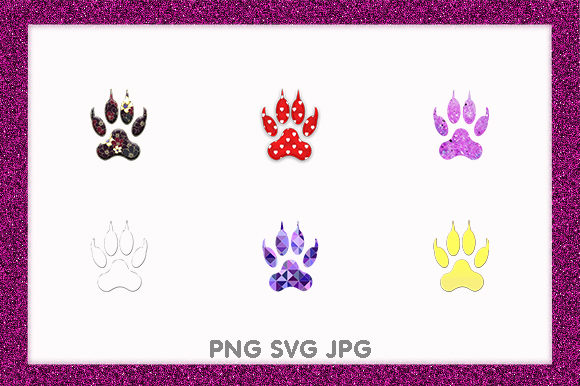
The overall appeal lies in its versatility and clarity. The isolated black mark on a white background ensures it stands out cleanly against any design. The availability in EPS and SVG formats means it scales beautifully for everything from a tiny favicon on a website to a large banner for an event. The transparent PNG is perfect for layering over photographs or complex backgrounds, a practical feature for social media graphics or editorial layouts. This asset functions less like a standard display font and more like a specialized design asset that can anchor a brand's visual identity.
Strategic Applications: Where This Asset Shines
Understanding where to deploy the Forest Wild Animal Footprint. Black Beaver is key to maximizing its impact. For entrepreneurs and brand strategists, this mark is a powerful tool for building a specific brand identity. Imagine an outdoor apparel company, an eco-tourism lodge, a sustainable forestry service, or a local artisan bakery using natural ingredients. Incorporating this footprint into a logo, stamp, or watermark instantly communicates core values of nature, authenticity, and careful craftsmanship. It becomes a recognizable symbol, aiding brand recall far more effectively than a generic icon.
In the realm of editorial design and publishing, the footprint serves as a compelling visual anchor. A magazine focused on wildlife conservation, a book chapter about North American fauna, or a blog post about hiking can use this mark as a section divider, a pull-quote accent, or a chapter opener. It adds a layer of thematic depth without distracting from the text. For packaging design, particularly for organic products, outdoor gear, or even children's educational toys, the beaver footprint can be a charming and relevant detail on labels, boxes, or shopping bags.
Digital creators will find numerous uses as well. As part of a cohesive set of social media graphics, the footprint can be used to create consistent, themed posts for wildlife photographers, environmental educators, or nature-themed influencers. In web design, it can function as a custom bullet point, a loading animation element, or part of an "about us" page narrative for a company with a nature-centric ethos. The key is to use it intentionally, not as mere decoration, but as a meaningful component of the visual story.
Practical Guidance for Designers and Creators
When you decide to incorporate the Black Beaver Footprint into your work, a methodical approach ensures success. First, evaluate project fit. Does your project's theme align with nature, wildlife, craftsmanship, or environmentalism? If the answer is yes, this asset is likely a strong candidate. Next, consider font pairing. Since this is a graphic mark, it pairs best with clean, legible typefaces. A sturdy serif font for body text can complement its organic feel, while a modern sans serif font for headlines can create a balanced, contemporary look. Avoid pairing it with overly ornate or handwritten fonts that might clash and reduce overall readability.
Before finalizing your design, test the asset in context. Place the footprint mockup alongside your chosen typography and color palette. Check its legibility at various sizes—will the toe details be clear when used as a small icon? Review the included file formats: use the vector EPS or SVG for print and scalable applications, and the transparent PNG for digital projects where background integration is needed. This attention to technical detail is what separates professional work from amateur attempts.
Finally, be mindful of commercial licensing. Even though this is a graphic asset rather than a traditional premium font, it is still intellectual property. Ensure the license covers your intended use, whether for a client's logo, merchandise for sale, or a printed publication. Respect for the creator's work is a cornerstone of professional practice and helps maintain a healthy ecosystem for design assets. By treating the Forest Wild Animal Footprint with the same consideration as a carefully chosen typeface, you integrate it seamlessly into your toolkit, enhancing your projects with a touch of authentic, wild elegance.